
Thoughtful space planning for modern homes
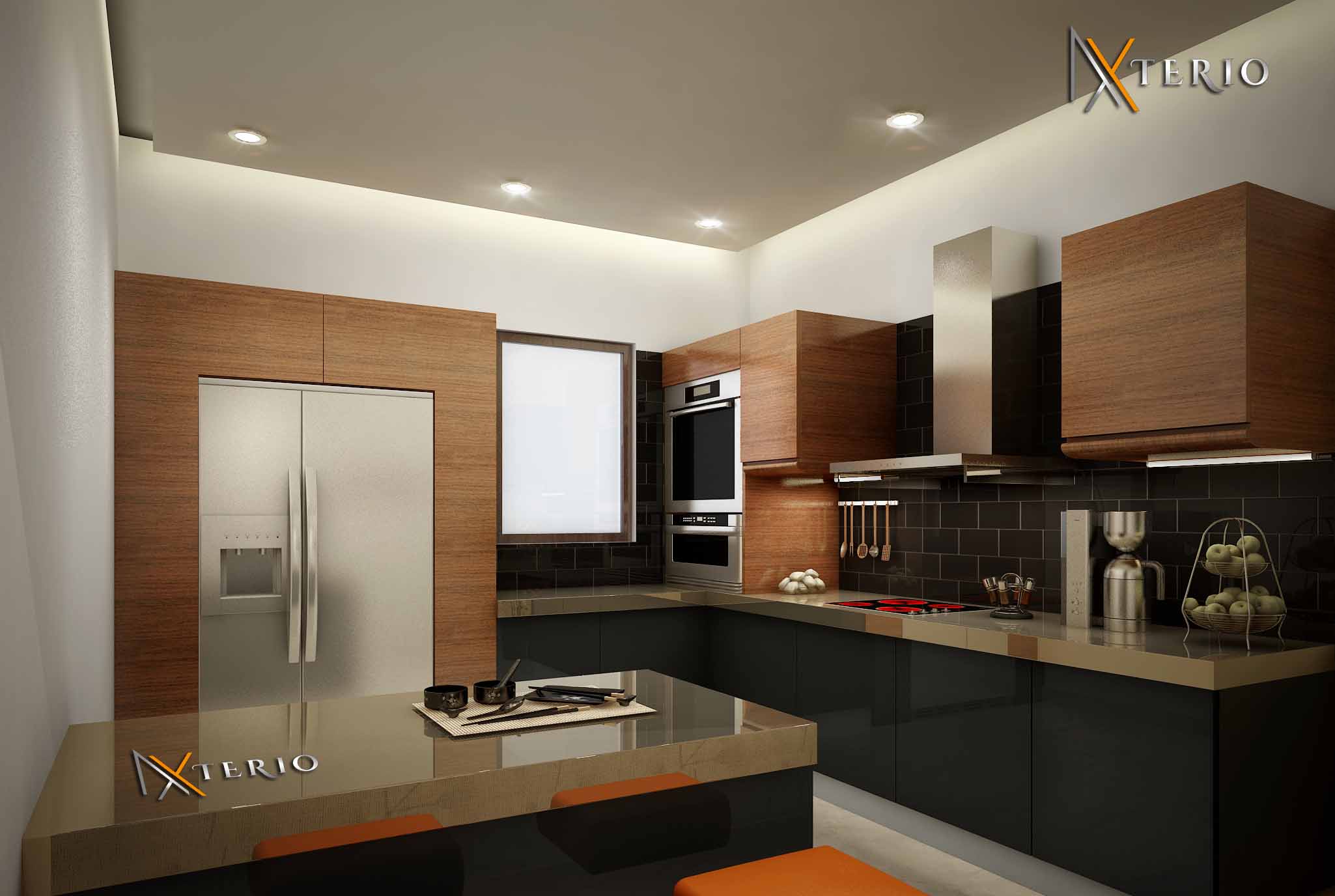
Good interior design starts with how you move through a space, not only how it looks in a render. Blocking out zones for rest, work, and gathering early helps you avoid costly changes after civil work is done. We begin with circulation: where doors swing, how daylight moves through the day, and where storage can live without blocking movement or views.
Zones and clarity
Even in compact apartments, clear zones reduce visual noise. An open kitchen still benefits from a defined dining edge; a study corner works better when it is not competing with the TV wall. Simple rules—consistent flooring between related zones, a change in ceiling detail or lighting where the function shifts—signal intent without heavy partitions.
Storage without clutter
Storage should follow daily habits. Frequent items belong within arm’s reach; occasional items can move to taller or deeper cabinets. Planning full-height storage on one wall often frees the rest of the room for furniture you actually use, rather than filler pieces meant to hide imbalance.
Once the plan is sound, finishes and furniture amplify the story. Lighter palettes can expand a small footprint; deeper tones anchor larger rooms. The goal is balance: enough structure to feel calm, enough flexibility to evolve with your family.
Whether you are renovating or starting fresh, invest time in the plan—it is the blueprint for everything that follows. If you would like a second opinion on your layout, reach out to our team before you lock specifications.